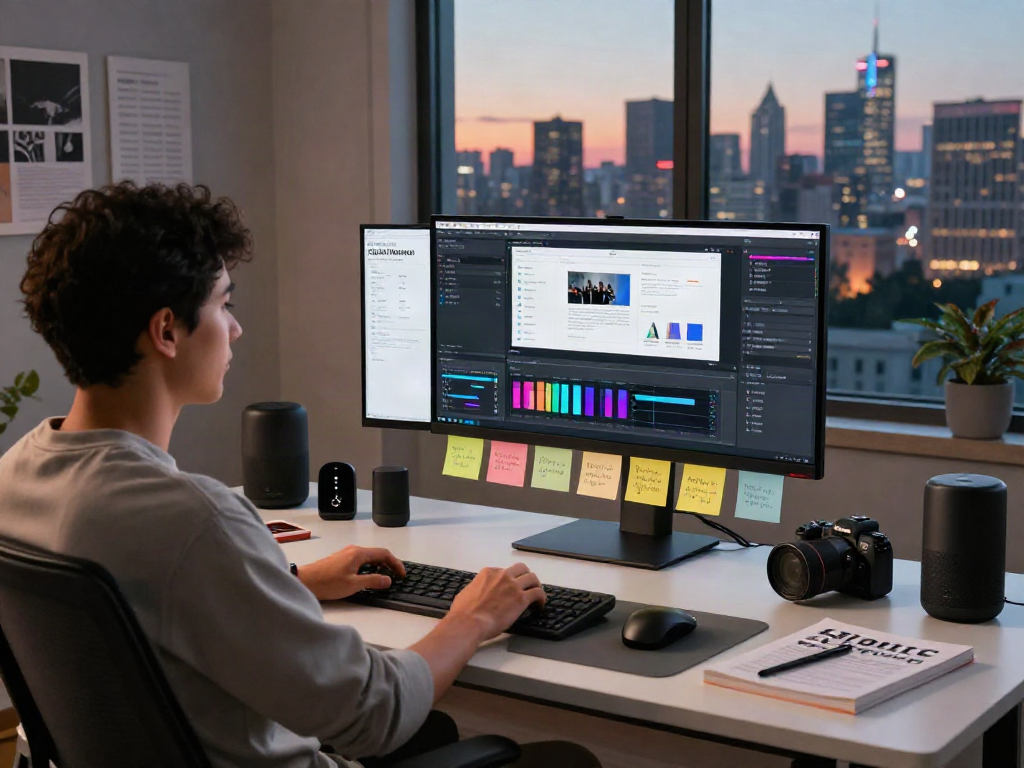
Understanding Online Audio Mastering
What is Online Audio Mastering?
Online audio mastering is the intricate process of preparing and transferring recorded audio from a source to a data storage device, while ensuring it is optimized for various playback systems. Through a combination of technical skills and artistic judgment, mastering provides that final polish to music tracks before they are released publicly. Utilizing the power of digital audio workstations (DAWs) and sophisticated software tools, online audio mastering allows sound engineers and musicians to access high-quality mastering services from anywhere in the world.
In the digital age, with bands and producers often working remotely, the ability to master audio files online has revolutionized the music industry. Artists can send their tracks to professional mastering engineers via secure online platforms, receiving back high-quality final products ready for distribution. If you're looking to elevate your music quality, mastering your audio professionally can be a game changer. For resources and further guidance, consider exploring online audio mastering services that fit your needs.
The Importance of Mastering in Music Production
Mastering plays a pivotal role in music production by ensuring that tracks have the optimal sound quality, loudness levels, and overall balance necessary for various listening environments. This final step in audio production enhances the listening experience and bridges the gap between different playback systems—from high-end speakers to home earbuds. Mastering is not just a technical phase; it's a critical artistic juncture where the essence of the music is solidified.
Moreover, proper mastering can enhance the marketability of a track, making it competitive within the bustling music landscape. As streaming platforms have become more prevalent, the urgency for consistently high-quality audio has only increased. Tracks that are poorly mastered or lack the appropriate loudness may struggle to gain traction among listeners, underscoring the need for effective mastering techniques in the modern music environment.
Differences Between Mixing and Mastering
While mixing and mastering are often confused, they serve distinct functions within the music production workflow. Mixing involves the blending of multiple audio tracks, balancing levels, panning sounds into the stereo field, and applying effects to achieve a cohesive sound. It is a creative process focused on individual sounds within a song—akin to putting together a jigsaw puzzle.
On the other hand, mastering occurs afterward and centers on the final mix as a whole. It involves adjusting the overall sound and ensuring compatibility across various playback devices. Whereas mixing artists manipulate individual sound elements, mastering engineers treat the track as a full entity, focusing on aspects such as equalization, dynamic range control, and final volume levels to ensure the music translates well across all formats.
Essential Tools for Online Audio Mastering
Software Options for Online Audio Mastering
Choosing the right software is crucial for successful online audio mastering. Several digital audio workstations (DAWs) and mastering suites can facilitate this process effectively. Popular DAWs like Pro Tools and Logic Pro include extensive features necessary for audio mastering, allowing engineers to apply precise adjustments to various elements.
Additionally, specialized mastering software such as iZotope Ozone or Waves Mastering Suite provides comprehensive tools, from equalizers to multiband compressors, tailored for mastering tasks. These suites often come equipped with presets, making it simpler for beginners while also allowing advanced users to create custom setups that meet their specific needs.
Hardware Considerations for Quality Mastering
While software holds the key to the mastering process, hardware cannot be overlooked. High-quality monitors, interfaces, and converters are essential for achieving the best results. Acoustic treatment in the mastering environment can significantly affect how sound is perceived, making accurate monitoring essential.
Investing in a reliable audio interface provides low-latency processing and improved audio fidelity, crucial for professionals and enthusiasts alike. Moreover, mastering engineers often rely on reference tracks—well-mastered songs in a similar genre—to compare and gauge their work against industry standards.
Key Plugins for Optimal Audio Results
Plugins serve as virtual tools that enhance the audio mastering process. Utilizing high-quality plugins can make a significant difference in the final output. Essential types of plugins include:
- Equalizers (EQ): Used to improve frequency balance and clarity.
- Dynamic Processors: Helps manage the dynamic range, applying compression or limiting for peak control.
- Stereo Imagers: Expands or narrows the stereo field, assisting in spatializing the mix.
- Metering Tools: Provides visual feedback on levels, loudness, and frequency spread.
The right combination of plugins allows mastering engineers to utilize their unique styles, ensuring every track receives personalized treatment according to its needs.
Best Practices for Online Audio Mastering
Preparing Your Mix for the Mastering Process
Preparation is key to a successful mastering session. A well-prepared mix enables engineers to focus solely on enhancing the musical element without needing to correct mix-specific issues. Start by leaving headroom in your final mix, ideally around -6 dB, to prevent clipping during mastering. Ensuring that each track is properly mixed with appropriate EQ and compression will lead to better mastering results—rich and dynamic soundscapes without muddiness or harshness.
Additionally, providing a clean stereo mix without any processing that would interfere with mastering, such as limiting or heavy compression, can greatly enhance the mastering quality. Offering reference tracks that exemplify the desired sound can also help guide the mastering process and ensure alignment with creative intentions.
Setting Proper Levels and Limits
Level management is crucial during the mastering phase. It is essential to set the right levels to avoid distortion and maintain clarity. Mastering engineers need to keep a close eye on peak levels and overall loudness to ensure that the track does not exceed the limits of typical audio formats. Often, the target loudness is measured in LUFS (Loudness Units Full Scale), with optimal ranges varying by genre and platform.
Utilizing metering tools can assist in assessing loudness levels, ensuring compliance with standard practices. Striking a balance between loudness and dynamic range is vital to maintaining the natural sound of the music and preventing listener fatigue.
Equalization Techniques in Mastering
Equalization (EQ) techniques during mastering are aimed at enhancing the overall tonal balance of a track. Mastering EQ should address any frequency imbalances or challenges evident in the final mix. This means identifying and attenuating problematic frequencies while subtly boosting others to create a fuller, more transparent sound.
Common approaches include using a high-pass filter to remove unnecessary low-end rumble and applying gentle boosts in the mid and high frequencies to add clarity and presence. The goal is to enhance the listening experience, making the music enjoyable across a range of playback systems.
Common Challenges in Online Audio Mastering
Addressing Frequency Conflicts
Frequency conflicts arise when two or more elements of a mix overlap in the same frequency range, leading to a muddied sound. As a mastering engineer, identifying these conflicts is crucial for achieving a clear and compelling mix. Through careful use of EQ and dynamic processors, mastering engineers can resolve these issues, ensuring that each element in the mix has its distinct place without compromising clarity.
Additionally, using stereo imaging techniques can help to spatially separate conflicting elements, giving each instrument or vocal more room to shine without clashing in the frequency domain.
Understanding Loudness Normalization
Loudness normalization refers to the process by which playback platforms adjust the loudness levels of tracks to provide a consistent listening experience. As a result, understanding how your master will likely be treated on various platforms is a vital component of the mastering process. Different platforms have differing target loudness levels—streaming services often apply normalization algorithms that affect how your music is perceived.
Mastering with awareness of these levels can prevent unpleasant surprises post-release, ensuring that your music does not sound significantly quieter or louder compared to similar tracks.
Preventing Over-compression Issues
Over-compression is a common pitfall in the mastering process, leading to a lack of dynamics and an overall lifeless sound. It's crucial to approach compression with a clear understanding of its purpose in maintaining dynamic range while enhancing loudness. Limiting should be used judiciously; rather than applying excessive gain reduction, aim for a transparent sound that retains the emotional depth of the music.
Monitoring your compressor settings with detailed metering can aid in recognizing excessive compression, allowing adjustments before rendering the final master. A bonus would be to incorporate dynamic range meters to visualize the effects of your compression over the full track duration.
Evaluating Your Mastering Results
How to Listen Critically to Your Master
Critical listening is an essential skill for evaluating your mastered tracks. It requires you to trust your ears and understanding of sound dynamics, which can be enhanced by listening to both reference tracks and your own mixes in various environments. When critically listening, focus on elements such as the clarity of individual instruments, the balance between vocals and instruments, and the overall energy of the track.
Listening at different volumes can reveal issues that may not be obvious at louder settings. Take frequent breaks to avoid ear fatigue, enabling a more reliable assessment of the sound quality.
Metrics for Measuring Audio Quality
Implementing measurable metrics provides an objective framework for assessing audio quality and mastering effectiveness. Typical metrics include dynamic range, loudness levels in LUFS, and peak levels in dBFS, which ultimately help guide the mastering process.
Utilizing analysis tools such as spectrograms can provide visual feedback on frequency distribution and overall loudness, ensuring all requirements are met for a competitive finished product. Comparing these metrics against industry standards can help benchmark your work against leading releases.
Soliciting Feedback for Improvement
Feedback from peers, fellow musicians, and mastering professionals can provide valuable insights into the mastering quality and areas for improvement. Collaborating with trusted colleagues and soliciting their opinions post-mastering can help you identify aspects of the track that may not resonate as intended.
Consider conducting surveys or focus groups, where listeners can provide open-ended commentary on the sound and emotional impact of your music. While not every piece of feedback may resonate with your vision, constructive criticism is instrumental in refining your mastering techniques and elevating your audio quality over time.
Frequently Asked Questions
What is the difference between mastering and mixing?
Mixing focuses on blending individual audio tracks, while mastering treats the final mix as a complete entity. Mixing involves balancing levels and adding effects, while mastering ensures consistency and prepares the song for distribution.
How long does online audio mastering take?
The duration of online audio mastering can vary based on complexity and engineer workload. Typically, it can take anywhere from a few hours to a couple of days, depending on the service level you choose.
Do I need to provide reference tracks for mastering?
Providing reference tracks can help guide the mastering engineer by indicating the desired sound quality and style. It's not mandatory but highly recommended for better alignment on artistic vision.
Can I master my music myself?
Yes, with the right tools, knowledge, and practice, you can master your music independently. However, hiring a professional ensures a polished end product as they bring experience and specialized equipment to the process.
What is the ideal loudness level for mastering?
The ideal loudness level varies by genre and platform, but as a general guideline, aim for around -14 to -10 LUFS for streaming services. Always research the preferred loudness per platform for optimal results.