
Understanding VPN Routers
What is a VPN Router for Home?
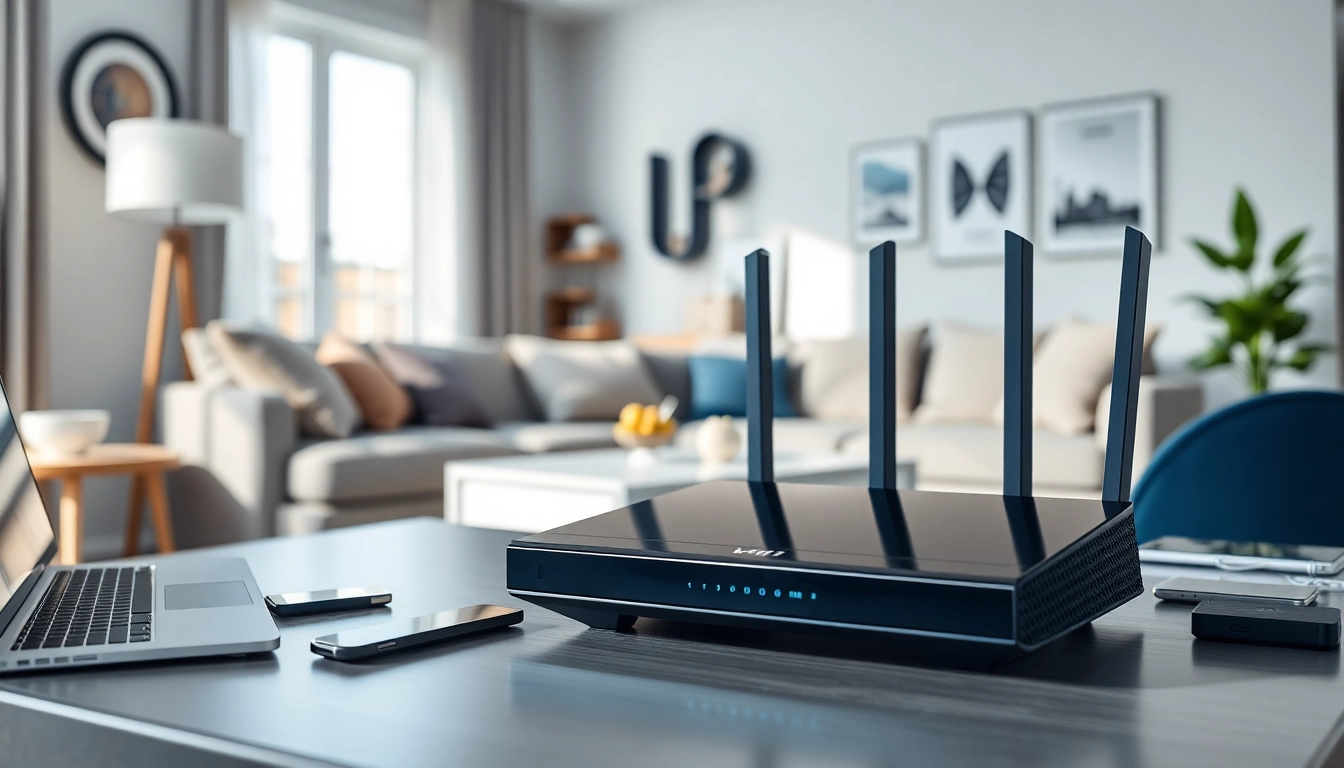
A VPN router for home is a specialized device that enables users to create a secure and private network for their home internet connection. Unlike standard routers, which simply direct traffic, a VPN router encrypts all internet traffic and routes it through a Virtual Private Network (VPN) service. This ensures that all devices connected to the router benefit from the privacy and security enhancements that VPNs offer. With a VPN router, every smartphone, tablet, laptop, and smart device in your home enjoys protection without needing individual VPN installations.
Benefits of Using a VPN Router
Integrating a VPN router for home into your network provides numerous advantages:
- Enhanced Privacy: With your internet activity encrypted, your online actions are shielded from various surveillance entities, including ISPs and hackers.
- Streamlined Connectivity: A VPN router can manage multiple devices simultaneously, removing the need to install a VPN application on each one.
- Access to Restricted Content: By masking your IP address, you can bypass geo-blocks and access content restricted in your region.
- Increased Security: VPN routers use advanced encryption methods, ensuring all data transmitted through your network remains confidential and secure.
How a VPN Router Works
A VPN router functions by routing your internet connection through a VPN server. When you initiate a connection, the router establishes a secure tunnel, encrypting outgoing and incoming data. This process hides your IP address and makes your online presence anonymous. Typically, the user subscribes to a VPN service, configures the router according to the service’s requirements, and once set up, everything connected to the router automatically benefits from the VPN’s protections. For more insights on VPN routers, visit vpn router for home.
Key Features to Consider
Performance and Speed Requirements
When choosing a VPN router, performance and speed are critical parameters. A router with a powerful processor and sufficient RAM is essential for maintaining good speeds while using a VPN. High-performance routers can handle encryption tasks efficiently, minimizing the reduction in internet speeds you might typically experience with a VPN. Look for routers that support dual-band or tri-band configurations to optimize connectivity and manage multiple devices without sacrificing performance.
Security Protocols and Encryption Standards
The security of a VPN router heavily depends on the protocols it uses to encrypt data. Common protocols include OpenVPN, L2TP/IPsec, and PPTP. OpenVPN is widely regarded as the most secure option, offering a good balance between speed and security. Ensure your chosen router supports robust encryption standards, such as AES-256, which is recognized as the industry standard for securing sensitive data. Selecting a router that allows for frequent security updates is also crucial to protecting against new vulnerabilities.
Compatibility with Devices
It’s important to consider the compatibility of the VPN router with your devices. Ensure that the router supports all the devices you plan to connect, including smart TVs, gaming consoles, and IoT devices. Additionally, check whether the router is compatible with the VPN service you intend to use. Some routers come pre-configured for specific VPN services, which can simplify the setup process significantly.
Installation and Setup
Preparing Your Home Network
Before installing a VPN router, it’s essential to prepare your home network. Check your current ISP plan to understand the speeds you’re receiving and ensure your internet connection is stable. Disconnect existing devices from your current router and consider how many devices you plan to connect to the VPN router. Document the settings of your current router, especially if you wish to revert to it later.
Step-by-Step Installation Guide
- Connect the Router: Begin by connecting the VPN router to your modem using an Ethernet cable.
- Access the Router Settings: Using a computer, open a web browser and type in the router’s IP address to access its admin dashboard.
- Configure VPN Settings: Navigate to the VPN section of the router settings and enter your VPN provider’s information, such as login credentials and server details.
- Customize Network Settings: Set up your Wi-Fi network name (SSID) and password for secure access.
- Save Settings and Restart: Save all configuration changes and restart the router to apply the new settings.
Troubleshooting Common Issues
Setting up a VPN router can sometimes lead to challenges. Common issues include slow speeds, connection drops, and inability to access certain websites. To troubleshoot:
- Check your VPN configuration settings to ensure they match your VPN service’s guidelines.
- Restart both the router and your devices to reset any temporary connectivity issues.
- Try different VPN servers as some may be congested or have regional restrictions.
- Examine your internet connection speed by testing it without the VPN to ensure it isn’t an ISP issue.
Comparing VPN Routers
Top Options in the Market
When evaluating VPN routers, consider top options that are well-reviewed for their performance and capability. Comparison can include:
- Performance: Look for routers with high throughput ratings, capable of handling multiple simultaneous connections.
- Features: Consider extras such as built-in firewalls, advanced parental controls, and ease of firmware updates.
- User Interface: A user-friendly interface can significantly enhance your configuration experience, particularly for novice users.
Price vs. Performance Evaluation
The price of VPN routers varies significantly. It’s tempting to go for cheaper models, but essential features such as speed, security, and reliability should be prioritized. A higher investment generally yields a router with better hardware, superior support for simultaneous connections, and enhanced security features. It’s advisable to balance budget constraints with essential requirements, considering long-term benefits over immediate costs.
Customer Reviews and Experiences
Customer reviews provide valuable insights into real-world performance and usability. Look for feedback on various platforms to gauge user satisfaction. Experiences often reveal less visible issues, such as customer service responsiveness, ease of use, and any common problems encountered during regular use. Taking time to review customer experiences can greatly aid in making an informed purchasing decision.
Maximizing Your VPN Router Use
Optimizing Settings for Best Performance
To get the most out of your VPN router, optimize its settings. Adjust parameters such as MTU (Maximum Transmission Unit) settings to match your ISP’s specifications to enhance speed. For content consumers, enable QoS (Quality of Service) settings to prioritize devices that require more bandwidth, such as streaming devices. Regularly monitor connection speeds and make adjustments according to your activities or changing internet needs.
Maintaining Security Over Time
Regular maintenance is essential to keep your VPN router secure. Update the router firmware frequently to patch any security vulnerabilities and ensure continued protection against emerging threats. Change passwords every few months and regularly review connected devices to detect any unauthorized access. Implementing a monitoring system can also help identify performance issues early.
Future-Proofing Your Setup
Future-proofing your VPN router involves enhancing capabilities to meet the evolving internet usage landscape. Invest in a router that supports the latest Wi-Fi standards, such as Wi-Fi 6, which offers better performance and efficiency. Consider routers with adjustable settings that can adapt to potential future upgrades or changes to your internet service provider’s offerings.
FAQs
What is the main purpose of a VPN router?
A VPN router encrypts internet traffic, enhancing privacy and security within your home network.
How does a VPN router improve internet speed?
While VPN routers may initially slow connections due to encryption, they can optimize routing paths to enhance overall speed.
Do I need a VPN subscription with a router?
Yes, a VPN subscription is necessary to use the features of a VPN router effectively.
Can I use a VPN router with multiple devices?
Absolutely! A VPN router covers all devices connected to your home network simultaneously.
How often should I update my VPN router?
Regular updates are crucial for performance and security, ideally every few months or as needed.